
Archbishop Cranmer C of E Academy Striving for life in all its fullness. John 10:10
Archbishop Thomas Cranmer - Our Name, Our Heritage
Who Was Thomas Cranmer?
 Thomas Cranmer (1489–1556) was born in Aslockton, Nottinghamshire, and became Archbishop of Canterbury in 1533. He was a leading figure in the English Reformation and played an important role in shaping the Church of England.
Growing up in our village, Cranmer attended St John of Beverley Church in neighbouring Whatton. He later studied at Jesus College, Cambridge, before becoming involved in the religious and political changes taking place during the reign of Henry VIII.
As Archbishop of Canterbury, Cranmer supported the development of the Church of England and encouraged the use of English in religious worship. He was closely involved in the creation of the Book of Common Prayer, first published in 1549, which helped shape worship in the Church of England for generations.
Cranmer lived during a period of significant religious conflict and political change. Following the accession of Queen Mary I, he was imprisoned and tried for heresy. He was executed in Oxford on 21 March 1556.
His life remains an important part of both our local heritage and the history of the Church of England.
Why Is Our School Named After Thomas Cranmer?
Our school's name connects us to the history of Aslockton and to the Christian foundations of our academy.
Thomas Cranmer's story provides opportunities for children to explore the importance of faith, learning, courage and responsibility. His work to make Christian worship more accessible through the English language also encourages us to consider the importance of understanding, communication and inclusion.
However, we recognise that historical figures are complex. Cranmer lived during a time when religious differences could lead to persecution and conflict, and his decisions were not without controversy.
By learning about his achievements and the challenges of his time, we encourage children to think critically about history, consider different perspectives and reflect on the choices people make.
Learning from Our Heritage
We believe it is important that children understand the significance of our school's name and its connection to the community in which they live.
In Year 5, pupils learn about Thomas Cranmer as part of their Tudor history unit. They explore his role in the English Reformation, the religious changes of the Tudor period and his connections to Aslockton.
This learning helps children understand how national historical events can be connected to the places and communities familiar to them.
Our local heritage also provides opportunities to explore places associated with Cranmer, including Cranmer Mound in Aslockton and St John of Beverley Church in Whatton.
Pride in Our Badge
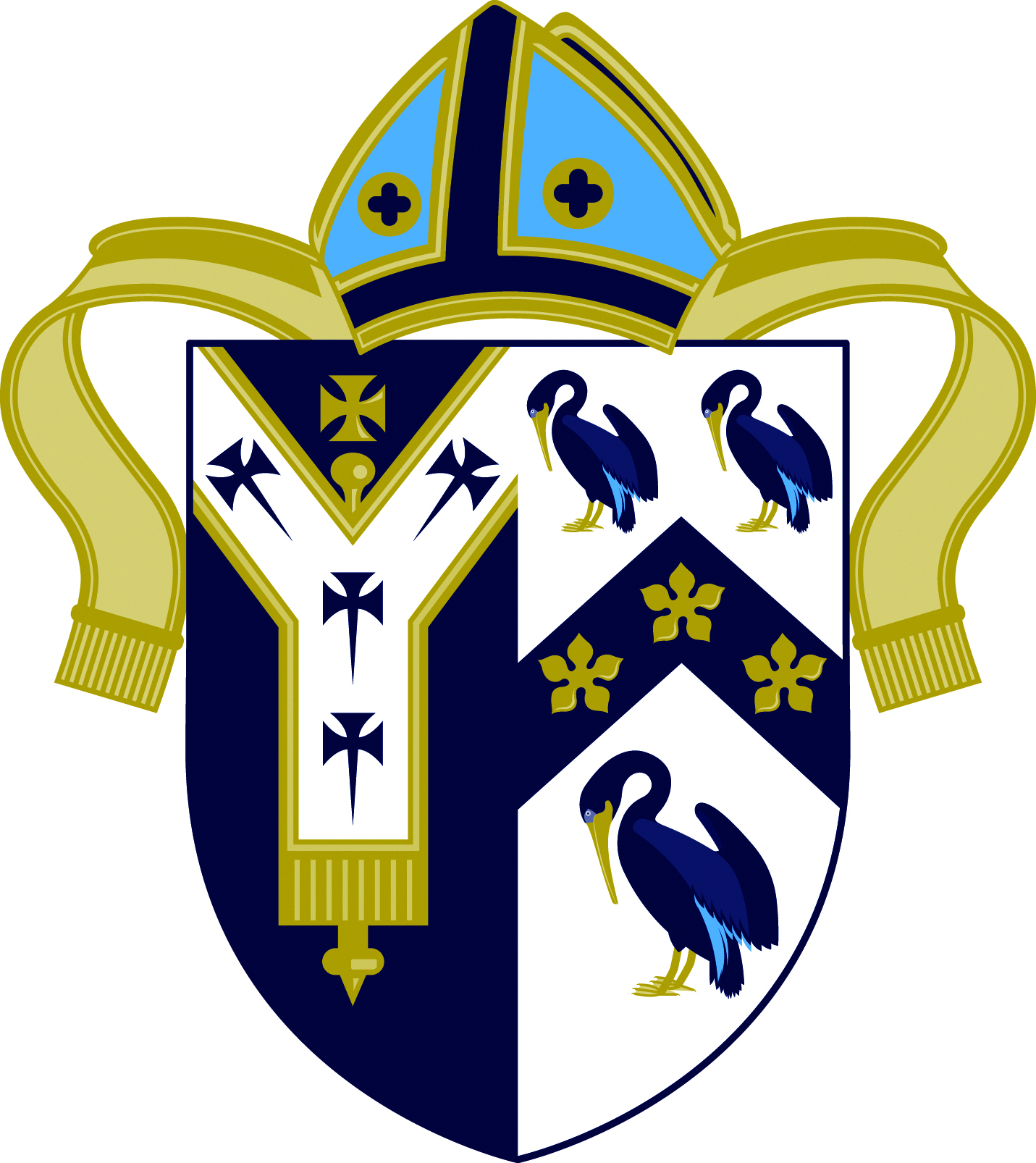 Our school badge reflects the heritage associated with Thomas Cranmer and provides a visible connection to our school's identity.
We encourage children to understand the significance of the name and emblem they wear, recognising that they belong to a school community with a rich local and Christian history.
For us, pride in our badge is not simply about looking smart or representing our school. It is about the way we conduct ourselves, treat others and demonstrate our shared Christian values of kindness, courage, trust, respect, thankfulness and responsibility.
These values underpin our Take Care ethos and our commitment to helping every child flourish.
Our Christian Vision
Our Christian vision, ‘Striving for life in all its fullness’ (John 10:10), is rooted in the words of Jesus and guides the life of our school today.
Thomas Cranmer's connection to our village and the history of the Church of England provides an important part of our identity. His story offers opportunities to explore faith, conviction, learning and the responsibility that comes with leadership.
We encourage children to learn from history, ask thoughtful questions and consider how their own choices can make a positive difference.
In this way, our heritage helps us look towards the future, as we strive to create a school community in which everyone can experience life in all its fullness.